Recent Post

GARDE Gallery Grand Reopening ―Nicola Maniero Solo Exhibition “TOKYO URBAN PORTRAITS”

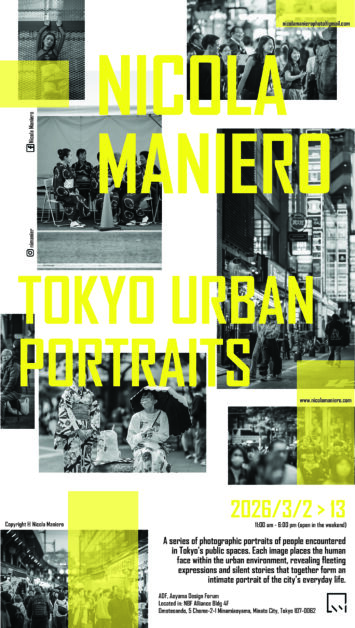
From Monday, March 2 to Friday, March 13, 2026, the newly renovated GARDE Gallery will present a solo exhibition, “TOKYO URBAN PORTRAITS”, by photographer Nicola Maniero. We invite you to experience this exhibition together with the newly reborn space of GARDE Gallery.
Exploring the City through Portraits

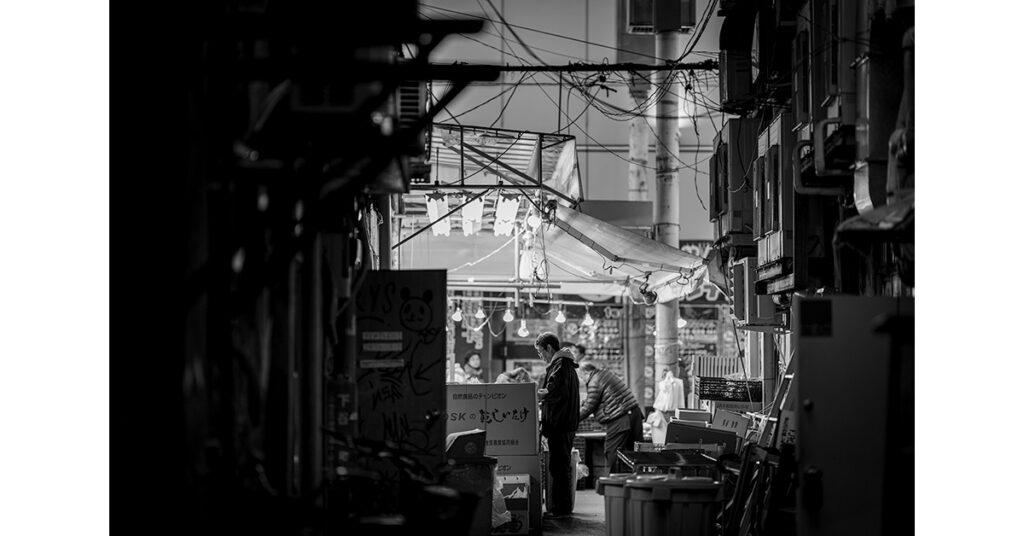
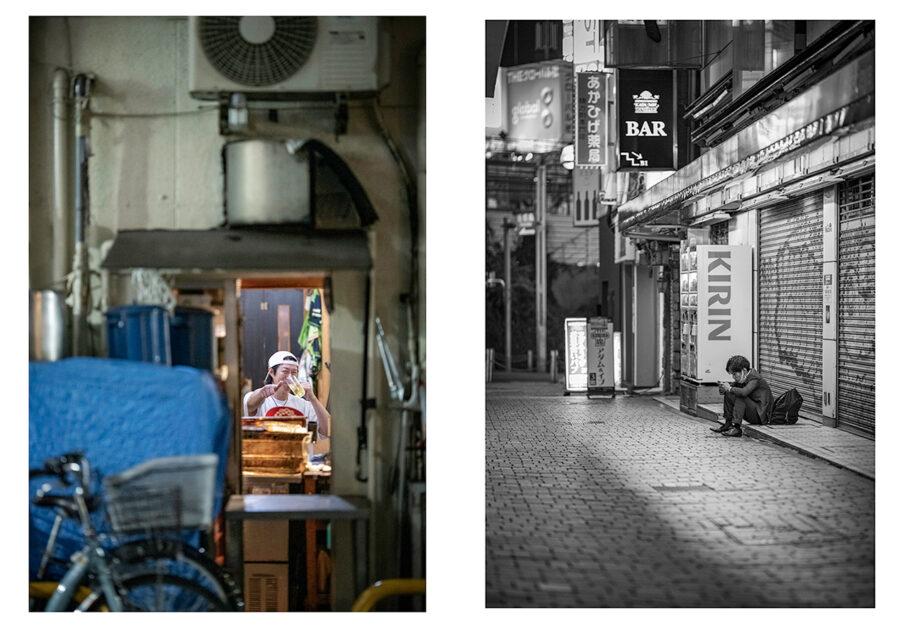
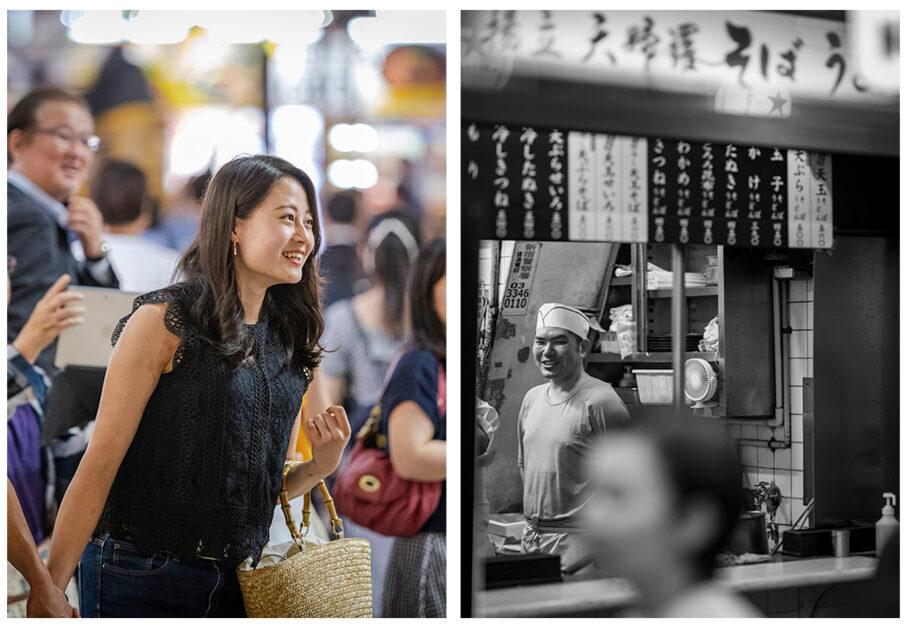
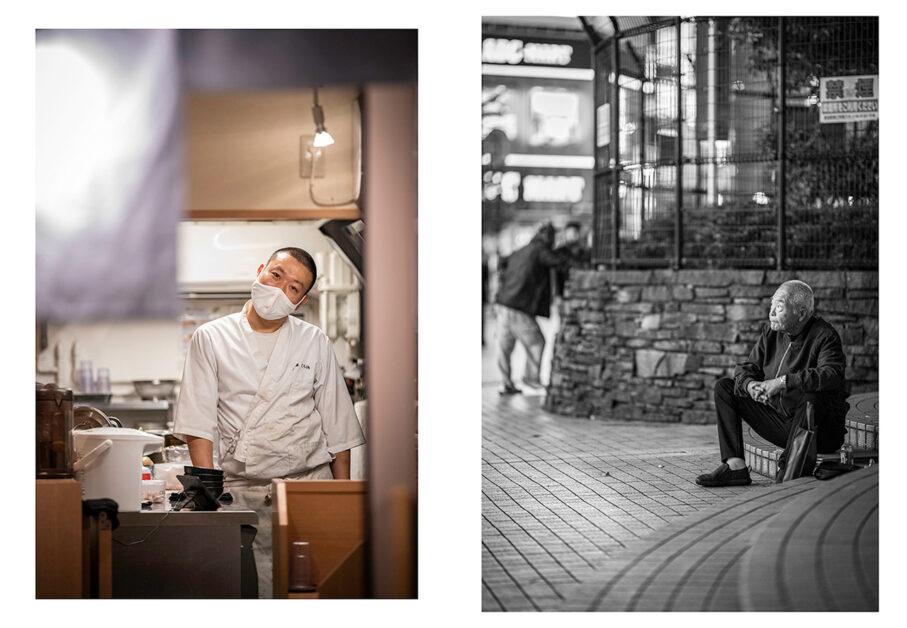
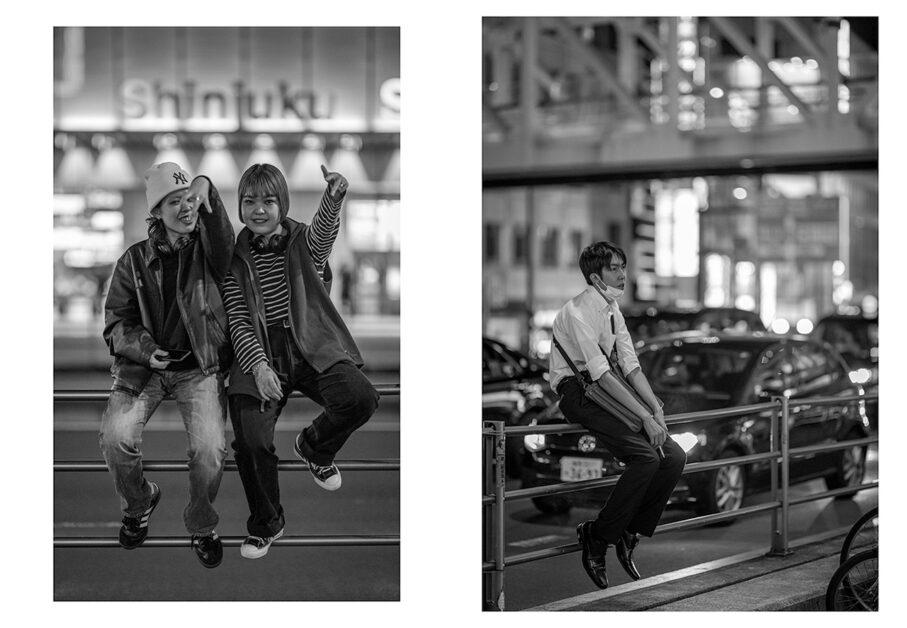
Urban Portraits is a photographic exhibition that investigates the contemporary city through the faces of those who inhabit it. Rather than approaching the urban environment through architecture, infrastructure, or recognizable landmarks, the exhibition shifts attention to the human presence embedded within public space. The city is not described directly; it is inferred through expressions, gestures, and fleeting encounters that reveal the psychological and emotional conditions produced by dense metropolitan life.
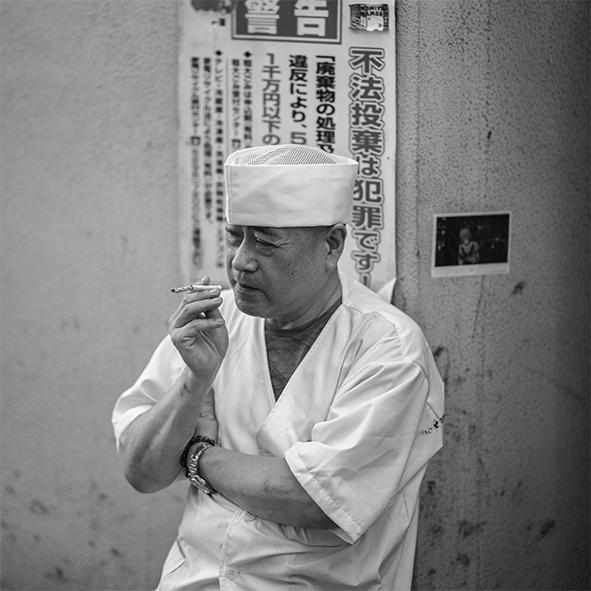
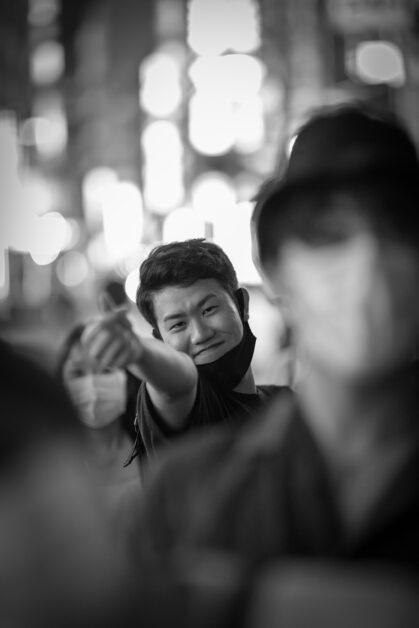
The portraits presented in the exhibition are the result of chance meetings in streets, stations, and transitional spaces. They capture individuals at moments when attention drifts, defenses lower, or inner states briefly surface. These are not portraits meant to define identity or narrate personal histories. Instead, they function as fragments—partial, unresolved, and open—reflecting the instability and ambiguity that characterize contemporary urban existence.
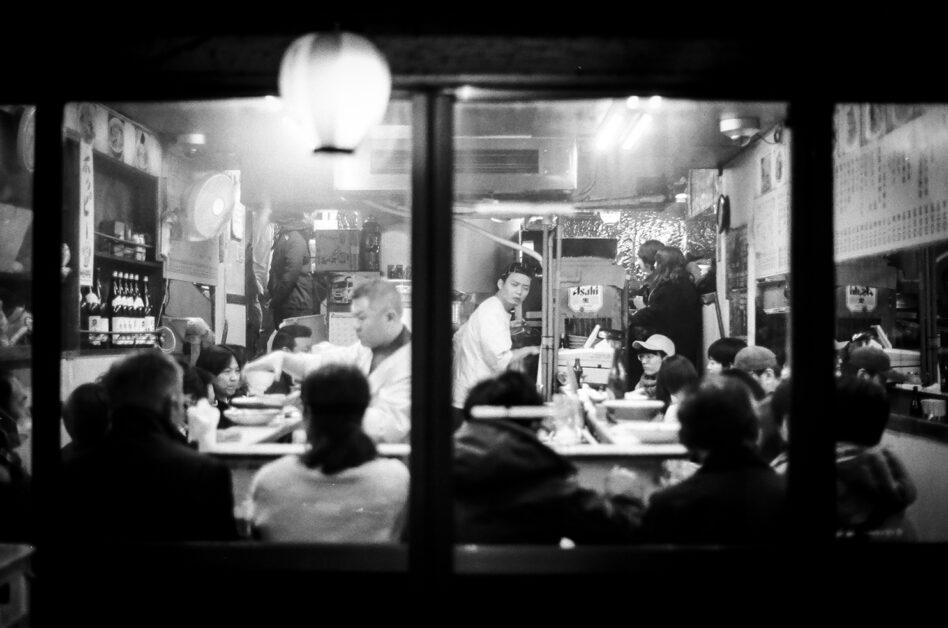
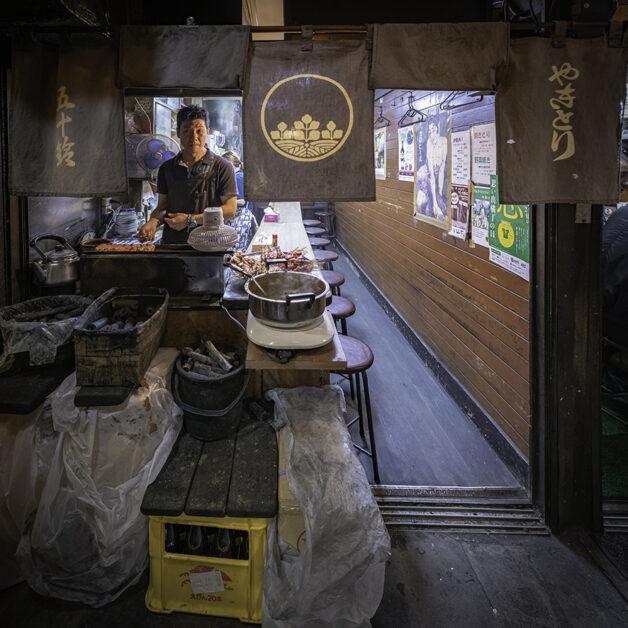

By excluding explicit contextual information, Urban Portraits resists the traditional documentary impulse to explain or locate. The surrounding city remains mostly invisible, reduced to traces of light, texture, or atmosphere. This deliberate absence shifts the focus toward the face as a site where the pressures of the city accumulate: fatigue, solitude, resilience, vulnerability, and quiet resistance coexist within a single frame. Each image becomes a threshold between interior and exterior, private and public.
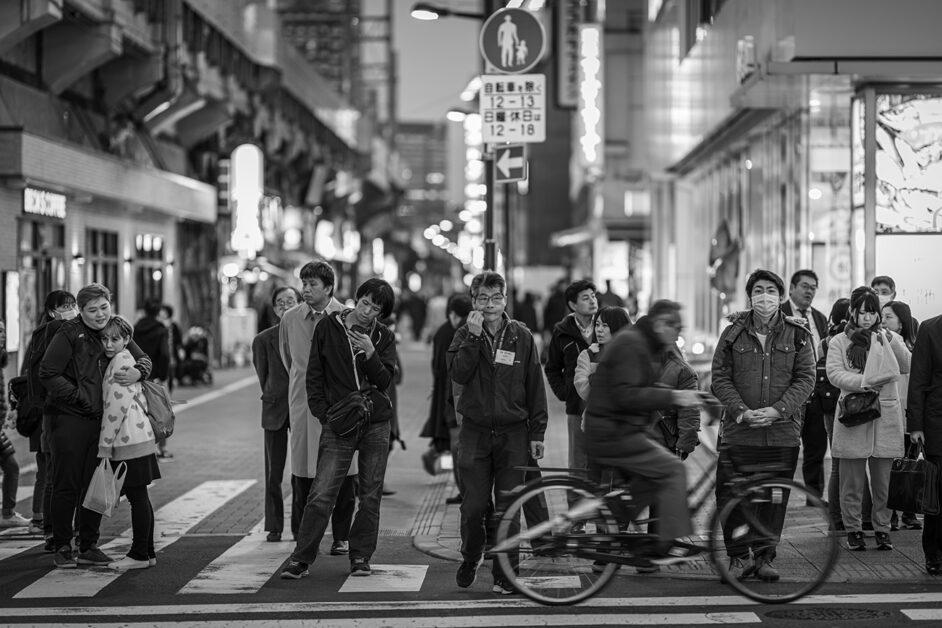
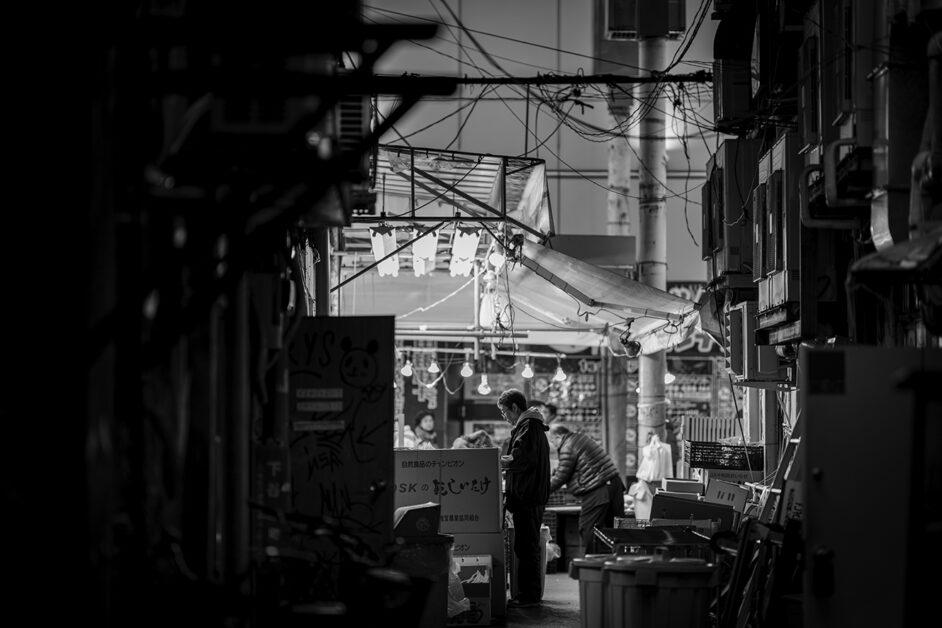

The exhibition rejects the spectacular or iconic representation of the city. Instead, it proposes an alternative reading of urban space grounded in proximity and encounter. The portraits emerge from unplanned situations, shaped by the photographer’s physical presence and by the unpredictable dynamics of public space. This method acknowledges the ethical tension inherent in street photography, emphasizing uncertainty rather than control, and presence rather than possession.
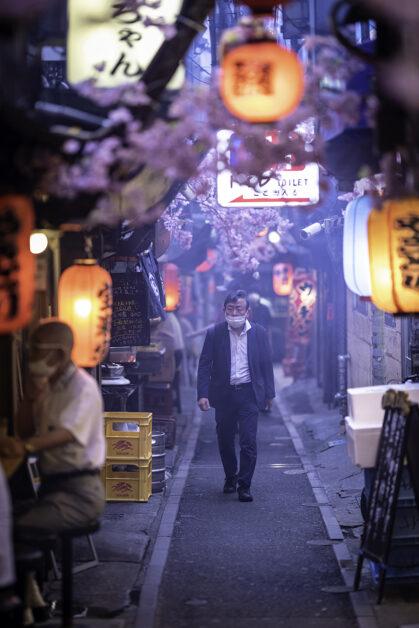
Seen collectively, the portraits form a composite image of the city itself. The exhibition does not present a coherent narrative or linear sequence, but a constellation of moments that echo one another through posture, gaze, or emotional tone. Repetition and variation generate rhythm, suggesting a shared condition rather than individual stories. The city appears not as a fixed environment, but as a mutable field of relationships continuously produced by those who pass through it.
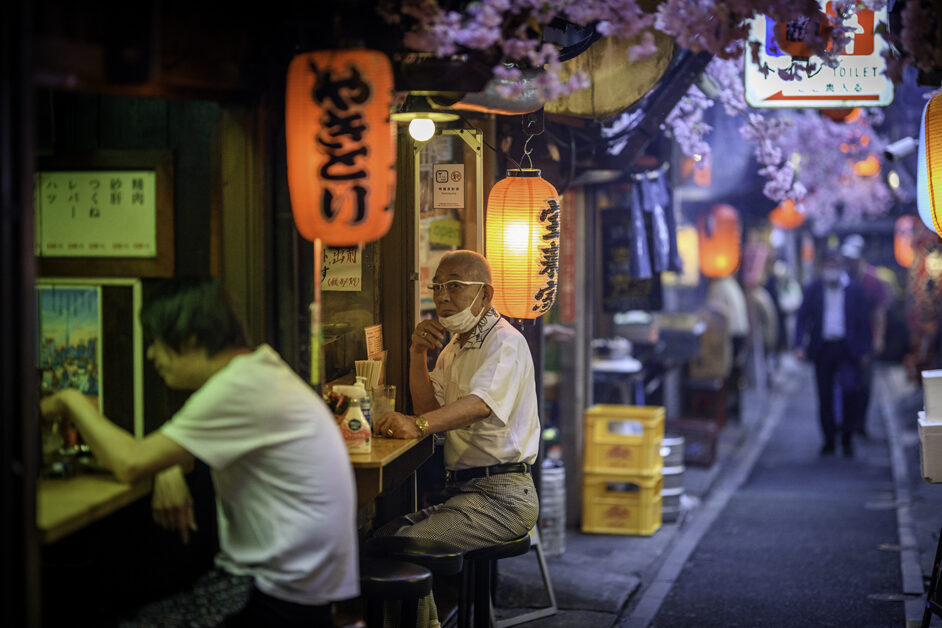
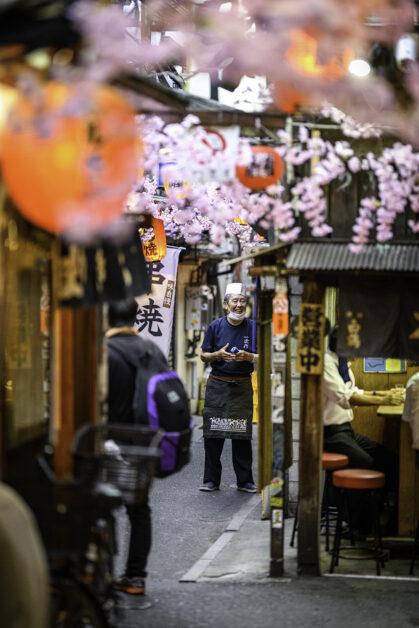
Ultimately, the exhibition proposes a slowed-down form of observation. In a context dominated by speed, consumption, and visual overload, Urban Portraits asks viewers to pause and confront the presence of others. It suggests that the city can be understood not through its monuments or skylines, but through the fragile, transient, and deeply human moments that unfold within it every day.
Nicola Maniero
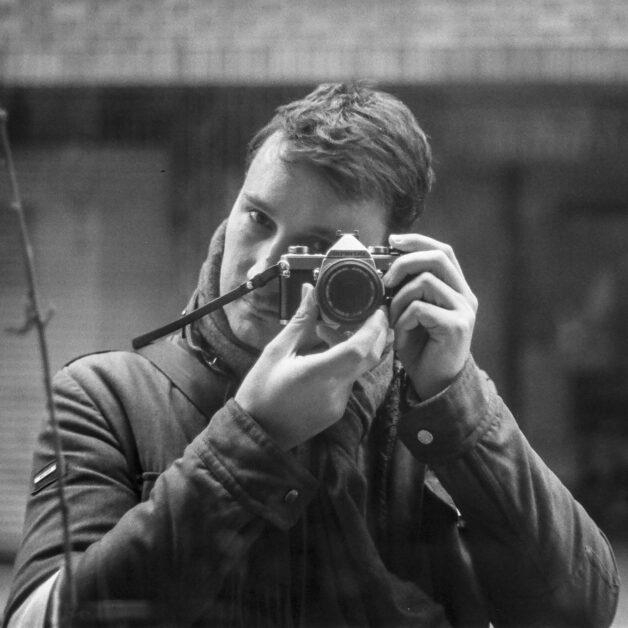

Nicola Maniero is an Italian architect and photographer based in Tokyo. He graduated in Architecture from IUAV University of Venice, where he developed an early interest in the relationship between space, perception, and everyday life. Since 2010, he has been part of Kengo Kuma & Associates, where he is currently Partner, working on cultural, infrastructural, and urban projects across Europe, the Middle East, and Asia.
His architectural practice is characterized by a strong sensitivity to context, materiality, and public space. Over the years, he has been involved in complex international projects that explore architecture as a mediator between landscape, social use, and collective experience. This background has deeply influenced his approach to photography, which he considers an extension of architectural thinking rather than a separate discipline.
Alongside his professional activity as an architect, Maniero has developed an independent photographic research focused on the contemporary city. His work investigates urban life at a human scale, paying particular attention to marginal situations, everyday gestures, and moments that escape planned representation. Rather than depicting architecture as an object, his photography explores how built environments are inhabited, perceived, and emotionally experienced.

Nicola Maniero Solo Exhibition “TOKYO URBAN PORTRAITS”

Dates: 2 to 13 March, 2026
Time: 11:00~18:00
Venue: GARDE Gallery (ALLIANCE Building 4F 5-2-1 Minami-Aoyama Minato-ku, Tokyo)
Closed: Sundays
URL: https://www.art-adf.jp/?sl=en

GARDE Gallery is dedicated to providing a platform for diverse art-related activities, while nurturing and supporting emerging talents who will lead the next generation of creative practice.

GARDE Design Magazine provides project portfolio, trends in architecture, design, and art, and event information.
The project portfolio and the latest information on GARDE are now available on our official website.
>Click here to visit our project portfolio
>Click here for the latest information on GARDE
“Imperfect by Design”: A Trend Emerging in the Age of AI

What Does “Imperfect by Design” Mean?

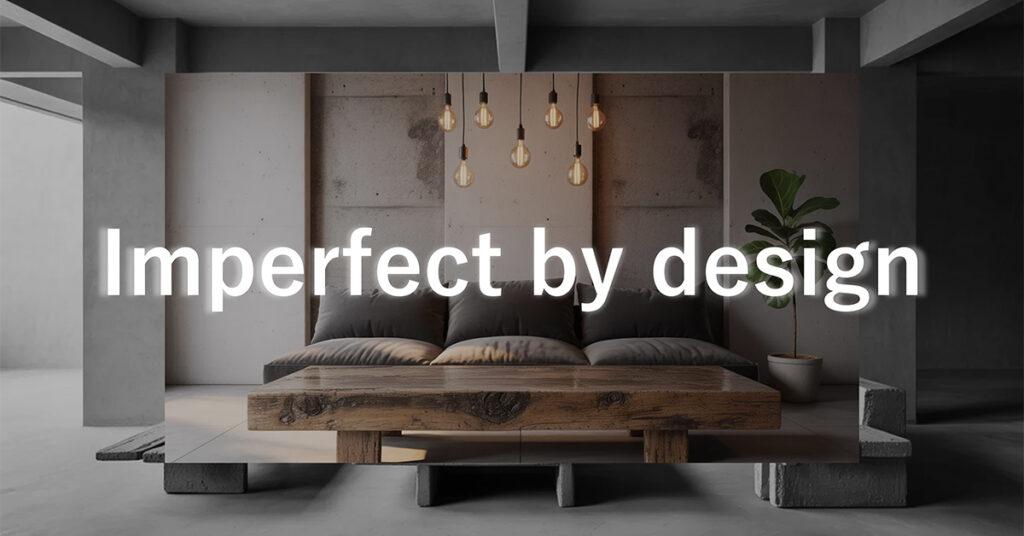
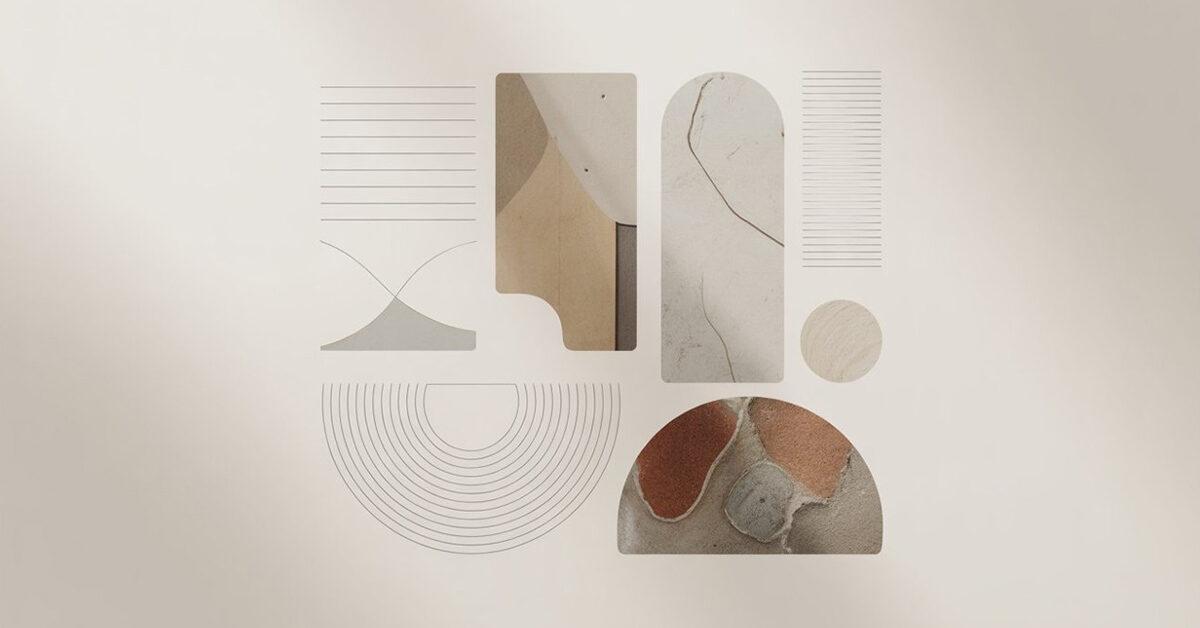
In recent years, it has rapidly emerged as a key concept not only within the design industry but also across broader creative practices. Literally meaning “imperfection through design,” it refers to a philosophy that seeks to evoke empathy, warmth, and trust by intentionally preserving elements such as roughness, noise, and irregularity—an “analog sensibility”—rather than striving for perfection.
It can be seen as design’s counterpart to the retro movement, exemplified by the revival of vintage record players. The renewed popularity of film cameras and Polaroids reflects the same cultural undercurrent and suggests that this shift is more than a passing trend, but rather a lasting phenomenon.

In an era saturated with impeccably polished digital content generated by AI and algorithms, the deliberate incorporation of human-like analog qualities—uneven textures and emotionally resonant “roughness”—may eventually be replicated as AI continues to advance. Even so, such simulations would remain fundamentally different in emotional depth and authenticity from works intentionally shaped by human sensibility.
Therefore, the uniquely human ability to conceive, edit, and refine ideas—cultivated through lived experience and sustained practice—becomes increasingly essential. In a time when AI enables nearly anyone to produce work at a certain technical standard, it is these distinctly human capacities that create truly original value.

What Is “Imperfect by Design” Offered by the Design Consulting Firm GARDE?

Similarly, in design fields such as interior design, this approach has long been articulated through concepts such as “aesthetic sensibility” and “texture.” Particularly in luxury brands as well as high-end hotels and restaurants, it has been regarded as an essential method for achieving not only functionality and safety, but also comfort and refinement. It is also a fundamental technique for creating spaces with “emotional value”—a core principle underlying the design and consulting services provided by GARDE.
This perspective does not reject AI. On the contrary, by fully leveraging its capabilities and ultimately integrating human insight and craftsmanship, it becomes possible to deliver greater value than ever before.

In spaces that embody emotional value:
①People experience a sense of comfort, pride, and an indescribable charm.
②Activities such as buying, living, dining, or dressing within the space fulfill deeper desires for prosperity, belonging, and recognition.
③Affection, loyalty, and respect toward brands or facilities are cultivated.

These intangible assets are difficult to measure through short-term KPIs. Yet over time, their cumulative effects—greater word-of-mouth advocacy, increased recommendations, trust from decision-makers and local communities, brand-specific purchasing, and higher repeat rates—translate into tangible assets that directly contribute to corporate growth.
Under the principle of “Imperfect by Design,” genuine emotional value emerges from intentional imperfection only when it is supported by meticulously conceived and highly sophisticated design. This is likely one of the few areas in which human creativity and sensibility continue to surpass AI.

GARDE Design Magazine provides project portfolio, trends in architecture, design, and art, and event information.
The project portfolio and the latest information on GARDE are now available on our official website.
>Click here to visit our project portfolio.
>Click here for the latest information on GARDE

“Net Positive”: What Role Do Design Consulting Firms Play?

What is Net Positive?

Net Positive is a concept that seeks to create a state in which the positive impacts of a company’s or organization’s activities on society and the environment outweigh their negative effects. Going beyond simply reducing environmental impact (“sustainable”) or offsetting harm (“carbon neutral”), it is defined by the ambition to actively improve society through business activities.

The concept was articulated by figures such as Paul Polman, former CEO of Unilever, and has emerged in recent years as a key business trend—evolving from ESG management and CSV (Creating Shared Value).

Traditional corporate activities have primarily focused on legal compliance, reducing environmental impact, and fulfilling social responsibilities. In contrast, Net Positive calls for proactive value creation:
・Environment: Going beyond CO₂ reduction to actively contribute to natural regeneration
・Society: Going beyond job creation to enhance the quality of life and well-being of communities and individuals
・Economy: Going beyond corporate profits to increase the value of industries and society as a whole

Why Companies Are Now Expected to Be Net Positive

As social challenges such as climate change, resource depletion, and widening inequality intensify, simply “reducing negative impacts” is no longer sufficient in a landscape where many organizations are already pursuing initiatives like the SDGs. In this context, net positive can be understood as a management principle that enables companies to achieve competitiveness, trust, and sustainable growth simultaneously.

By shifting from “harm reduction–focused management” to “management that maximizes positive impact,” and by positioning business activities themselves as drivers of social and environmental progress, organizations can earn long-term societal support and sustain growth.

What are GARDE’s “Emotional Management Assets” as a design consulting firm?

As a premise, business value and assets are strongly influenced by the emotions and feelings embedded in what companies and organizations offer.

In today’s business environment, where corporate value is no longer determined solely by financial metrics or functional advantages, emotional values—such as trust, empathy, pride, and affection—held by customers, communities, and society are believed to influence stock prices, long-term brand strength, and management sustainability.

The spaces, designs, and consulting services provided by GARDE function as powerful branding assets that generate emotional value. Because people spend their lives within various spaces, these environments are not merely physical locations; they profoundly influence human emotions, behaviors, and values.

In spaces imbued with emotional value:
① People experience comfort, pride, and an intangible sense of charm
② A sense of abundance, belonging, and recognition is fulfilled through activities such as purchasing, living, dining, or dressing
③ Affection, trust, and respect toward brands or facilities are cultivated
These intangible assets are difficult to quantify through short-term KPIs. However, over time, they compound into tangible business outcomes—such as increased word-of-mouth and recommendations, trust from decision-makers and local communities, brand-driven purchasing behavior, and higher repeat rates—ultimately contributing to corporate growth.

GARDE’s strength lies in creating value aligned with contemporary needs—beyond mere construction or development—through its integrated business services. Through design consulting, corporate matching, development, art, and real estate, GARDE enables the intentional creation and management of clients’ emotional assets, delivering a net positive emotional experience.

GARDE Design Magazine provides project portfolio, trends in architecture, design, and art, and event information.
The project portfolio and the latest information on GARDE are now available on our official website.
>Click here to visit our project portfolio.
>Click here for the latest information on GARDE

Offshoring—Countermeasures Against Yen Depreciation and Tariffs for Design and Consulting Firms

What Is “Offshoring”? A business strategy that emerged in the 1980s.

Offshoring refers to the practice of relocating a company’s services, operations, or production bases overseas. It is primarily pursued to reduce costs and enhance business efficiency by leveraging differences in business environments across countries, such as exchange rates and tax systems.
A related concept is outsourcing, which broadly refers to delegating operations to external parties, whether domestic or international. Offshoring specifically denotes the overseas-oriented form of outsourcing.
This article provides a brief overview of offshoring, its evolution, the opportunities it presents, and its impact on GARDE’s business.

Offshore development began in the 1980s, primarily in China, and expanded to other ASEAN countries around 2010.

From the 1980s through the early 1990s, the yen’s unprecedented strength led to a global perception of Japan as a country synonymous with high quality—but also high cost. During this period, Japanese products such as automobiles and electronics significantly increased their value-added content and strengthened their global branding.
Manufacturing offshoring was concentrated primarily in other Asian countries, with China’s rapid development from the 1980s standing out in particular. This trend later expanded to India and ASEAN countries such as Vietnam, becoming an essential global strategy for manufacturing.
In recent years, however, this dynamic has shifted dramatically as the yen has depreciated at an accelerated pace. The former perception has evolved into a new value proposition: Japan is now seen as offering high quality at reasonable prices. The sharp rise in inbound tourism provides clear evidence of this transformation.

New Market Environment: Risks and Growth Opportunities Driven by Tariffs, Trade Wars, and Climate Action

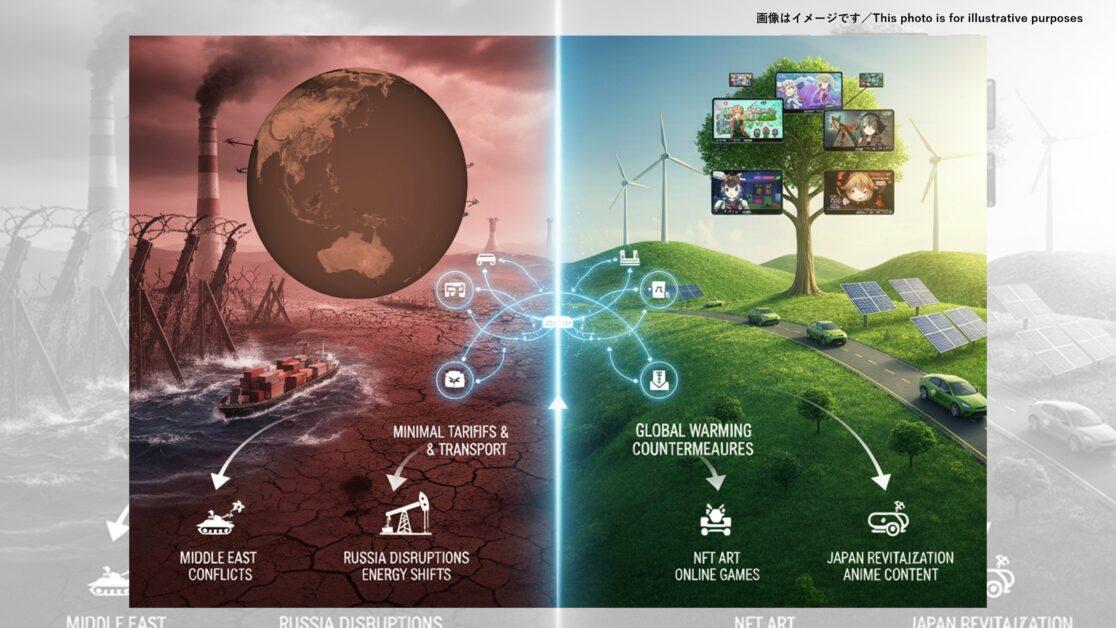
Furthermore, changes in the market environment stemming from U.S.-origin tariffs have compounded existing challenges. These include climate change initiatives, ongoing conflicts in the Middle East and Russia, and shifts in national energy policies, all of which are creating new obstacles to the export and distribution of goods.

In response, GARDE leverages one of its core strengths—its global network—to export creativity rather than physical products. With its Tokyo headquarters as a hub and offices around the world, GARDE delivers design, ideas, and consulting services with minimal exposure to tariffs and transportation costs.
Similarly, as part of Japan’s broader revitalization strategy, highly portable digital content—such as NFT art, online games, and anime—represents a significant growth opportunity. These industries are less constrained by geopolitical risks and trade barriers, positioning them as key drivers in the evolving global market.

GARDE Design Magazine provides project portfolio, trends in architecture, design, and art, and event information.
The project portfolio and the latest information on GARDE are now available on our official website.
>Click here to visit our project portfolio.
>Click here for the latest information on GARDE

The creative impulse passed down through generations Ushio Shinohara, Noriko Shinohara, Alexander Kukai Shinohara Group Exhibition “Generations” by the Shinohara Family Hold at GOCA by Garde in New York

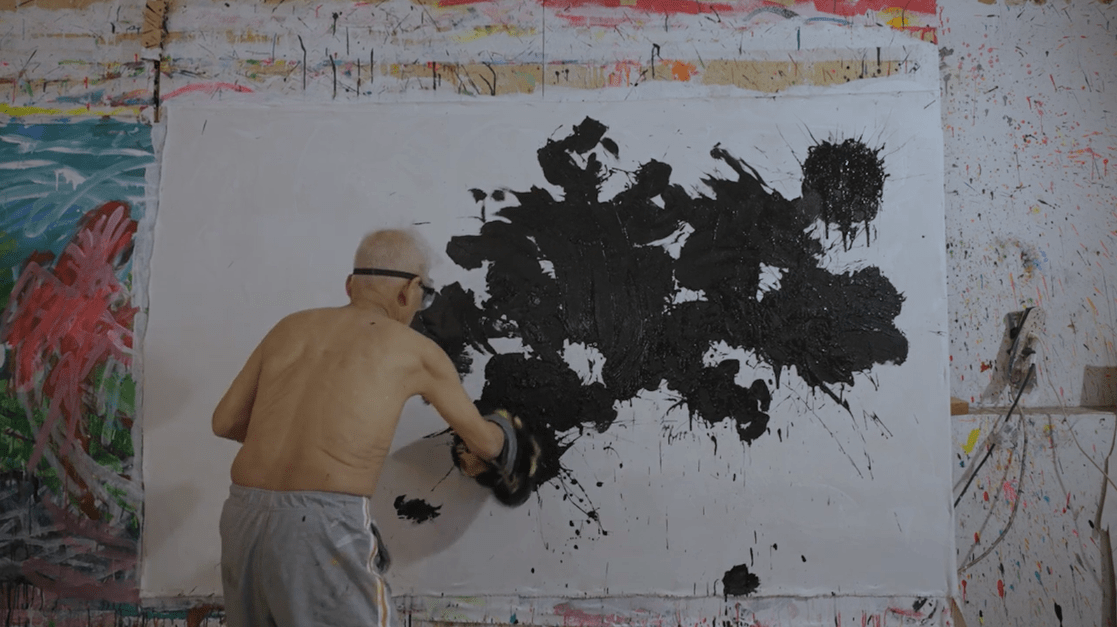
Ushio Shinohara, Black on White, 2025. Acrylic paint on unstretched canvas, 72 x 96 in.
《Autumn Sunshine》(2025)

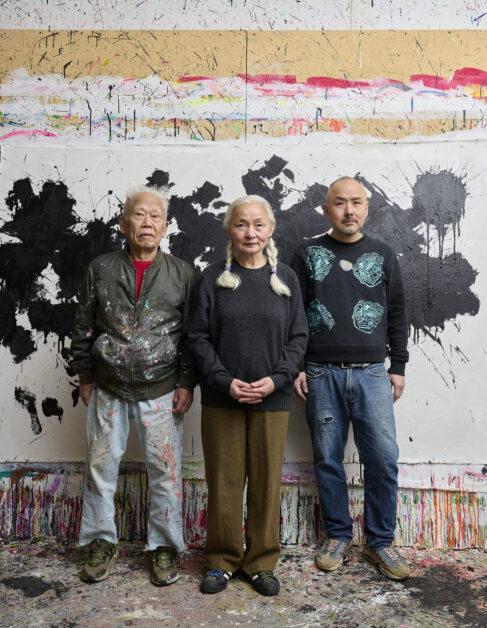
GARDE will present the group exhibition “Generations” by the Shinohara family—contemporary artists Ushio Shinohara, Noriko Shinohara, Alexander Kukai Shinohara—at GOCA by Garde, the art gallery operated by GARDE. The exhibition will open on Thursday, January 8, 2026.

GOCA by Garde is GARDE’s first overseas art gallery, showcasing a diverse range of works including
paintings, sculptures, and ceramics, with the aim of introducing Japanese and Asian artists to the world. It seeks to become a new cultural hub for promoting contemporary art from Japan and Asia on a global scale.

The exhibition commemorates the first anniversary of GOCA by Garde’s opening and marks the first collaborative exhibition in New York since 2014 to feature all three members of the Shinohara family together.
From postwar Japanese art to the present day, Ushio Shinohara has pursued an active career spanning Japan and the United States.
Noriko Shinohara has developed her own distinctive mode of expression alongside him, while Alexander Kukai Shinohara explores new forms shaped by urban culture and contemporary sensibilities.

By bringing the works of these three artists together in a single space, the exhibition reveals something that transcends a conventional retrospective or family show: the inheritance and transformation of the creative act itself.

Promotional Video

Credit: Kamran Rosen

A “family” as a form of expression, coexisting around the axis of creative practice.

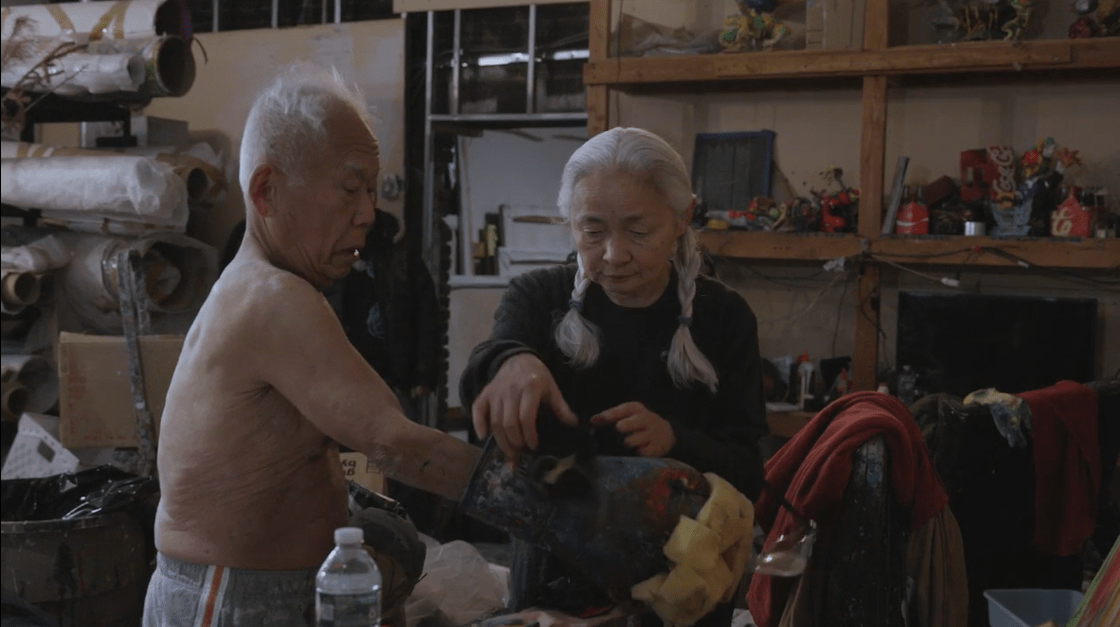
The Shinohara family has long pursued their artistic practice in environments where life and creation are inseparable—from their artist loft in SoHo to their current home and studio in Brooklyn’s DUMBO. This exhibition raises questions not about bloodlines or generational frameworks themselves, but about how creative environments, physicality, and narratives are shared, inherited, and continually renewed.
Through the intersection of each artist’s distinct personality and perspective, the avant-garde spirit of postwar Japanese art, feminist narratives rooted in personal history, and contemporary expressions shaped by urban culture converge within a single space. This convergence brings to life the layered dimensions of time evoked by the title, Generations.

Highlights of this exhibition

・Ushio Shinohara
One of the leading avant-garde artists of postwar Japanese art, Shinohara was a key member of the Neo-Dadaism Organizers and exerted a decisive influence on Japan’s art scene in the 1960s. From 1969 onward, he has been based in New York, continuing his practice within the postmodern art scene.
This exhibition centers on Shinohara’s new work Black on White (2025), created to commemorate the first anniversary of GOCA as the artist turns 94 during the exhibition period. In addition, the exhibition presents works from his iconic “Boxing Painting” series, along with sculptures.

・Noriko Shinohara

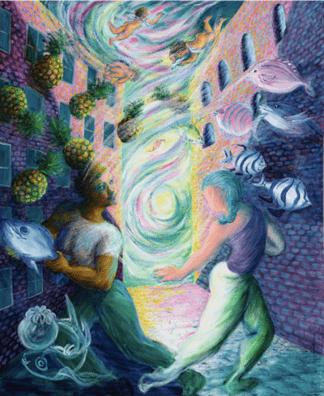
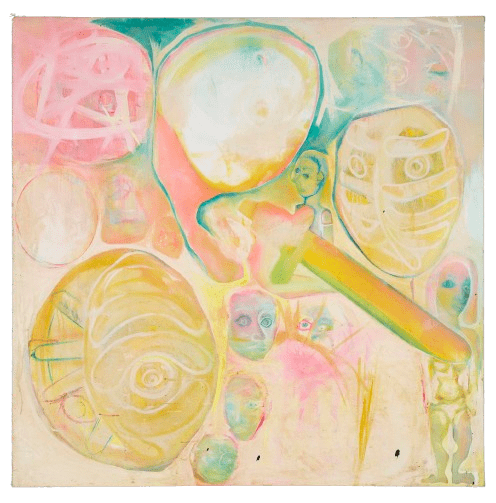
《Aurora — or Fjord — ?》(2025年)

A painter and printmaker known for the Cutie & Bullie series, which reflects his life experiences. In this exhibition, through recent and newly created works, she presents an expressive space where everyday life and memory, personal experience and fiction intersect.

・Alexander Kukai Shinohara
Incorporating urban found materials and sensibilities drawn from street culture, he creates paintings and sculptures that combine figuration with narrative depth. While grounded in an expressive lineage inherited from his parents, his works are imbued with a contemporary sense of speed and energy.

《 Untitle 》(2017年)

Exibition Overview

Title:「Generations」
Date: January 8, 2026 (Thursday) to February 19, 2026 (Thursday)
Address: GOCA by Garde 515 W 23rd St, New York, NY 10011
Admission Fee: Free
Official Site:https://www.goca.gallery/

Artist Profile

Ushio Shinohara
Ushio Shinohara is a Brooklyn-based painter and sculptor and one of the leading avant-garde figures of postwar Japanese art. As a founding member of the Neo-Dadaism Organizers, he made a powerful impact on Japan’s art scene in the 1960s. In 1963, he was among the first Japanese artists to adopt Pop Art techniques, presenting his Imitation Art series. By critically referencing the works of artists such as Jasper Johns and Robert Rauschenberg, he developed a distinctive artistic language that bridges Japanese and American art movements.
After relocating to New York in 1969, he developed a series of figurative and highly energetic works, including his iconic cardboard motorcycle sculptures. From the 1960s onward, he pursued his signature Boxing Painting series, in which sponges attached to boxing gloves were soaked in paint and used to strike the canvas. By transforming physicality and the act of creation itself into art, this practice established his international reputation.
He continues to sustain a vigorous creative drive, producing dynamic works that range from public spaces to intimate, private contexts. His works are held in the collections of—and exhibited at—major museums and institutions worldwide, including the Museum of Modern Art (MoMA) in New York, the Metropolitan Museum of Art, Guggenheim Abu Dhabi, M+, the National Museum of Modern Art, Tokyo, the National Museum of Modern Art, Kyoto, and the Japan Society in New York.

Noriko Shinohara
Noriko Shinohara is a contemporary painter and printmaker known for her distinctive visual language that weaves together narrative, humor, and her own life experiences. Born in Toyama Prefecture, she moved to New York in 1972 to study art and has continued her artistic practice there ever since.
In her signature Cutie & Bullie series, which she began in 2003, Shinohara employs comic-style imagery and semi-autobiographical characters to candidly and lightly depict her artistic independence, her relationship with her husband Ushio Shinohara, and the conflicts and everyday realities surrounding creative life. This body of work has been highly regarded for elevating personal narratives into a universal perspective.
In her more recent work, Shinohara has developed a more fantastical and poetic worldview, drawing on motifs from her own memories and dreams, as well as scenes from everyday life and animals in her immediate surroundings. She was selected for the New York International Print Competition New Prints in both 2003 and 2005, and in 2007 participated in the exhibition Making a Home: Japanese Contemporary Artists in New York at the Japan Society Gallery. Her works are included in the collection of the Davis Museum and Cultural Center at Wellesley College.

Alexander Kukai Shinohara
Alexander Kukai Shinohara is an artist whose paintings and sculptures are rooted in figuration and narrative, incorporating sensibilities drawn from street culture and the urban environment. Based in Brooklyn, he has developed a distinctive artistic language while sharing a studio in DUMBO with his parents, artists Noriko Shinohara and Ushio Shinohara.

After graduating from the Rhode Island School of Design (RISD), he began creating sculptural works using found urban materials such as discarded cardboard, electrical wiring, industrial plastics, and newspapers, alongside paintings characterized by neon colors and dynamic, gestural brushwork. Motifs such as skateboards and motorcycles—symbols of speed, consumer culture, and memories of urban life—are distilled into deeply personal narratives throughout his work.

In 2009, he was selected for the exhibition New Tale of Our Age (co-curated by Midori Yoshimoto and Irene Wang) at the Visual Arts Center in Summit, New Jersey, and has since continued to exhibit his work in both the United States and Japan. In 1992, he received the Mark Rothko Award, sponsored by The New York Daily News and the Mark Rothko Foundation.

Scroll to Top