
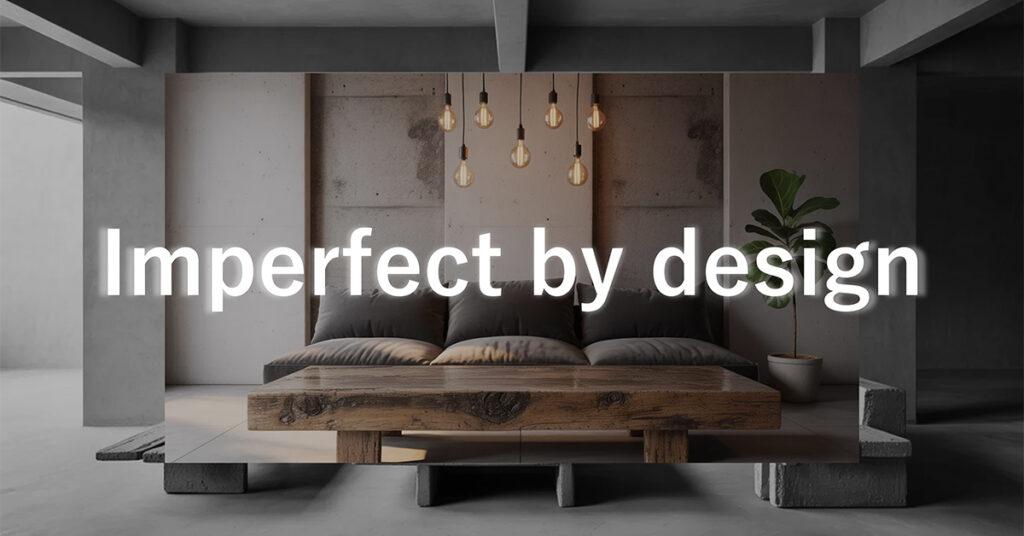
What Does “Imperfect by Design” Mean?
In recent years, it has rapidly emerged as a key concept not only within the design industry but also across broader creative practices. Literally meaning “imperfection through design,” it refers to a philosophy that seeks to evoke empathy, warmth, and trust by intentionally preserving elements such as roughness, noise, and irregularity—an “analog sensibility”—rather than striving for perfection.
It can be seen as design’s counterpart to the retro movement, exemplified by the revival of vintage record players. The renewed popularity of film cameras and Polaroids reflects the same cultural undercurrent and suggests that this shift is more than a passing trend, but rather a lasting phenomenon.
In an era saturated with impeccably polished digital content generated by AI and algorithms, the deliberate incorporation of human-like analog qualities—uneven textures and emotionally resonant “roughness”—may eventually be replicated as AI continues to advance. Even so, such simulations would remain fundamentally different in emotional depth and authenticity from works intentionally shaped by human sensibility.
Therefore, the uniquely human ability to conceive, edit, and refine ideas—cultivated through lived experience and sustained practice—becomes increasingly essential. In a time when AI enables nearly anyone to produce work at a certain technical standard, it is these distinctly human capacities that create truly original value.
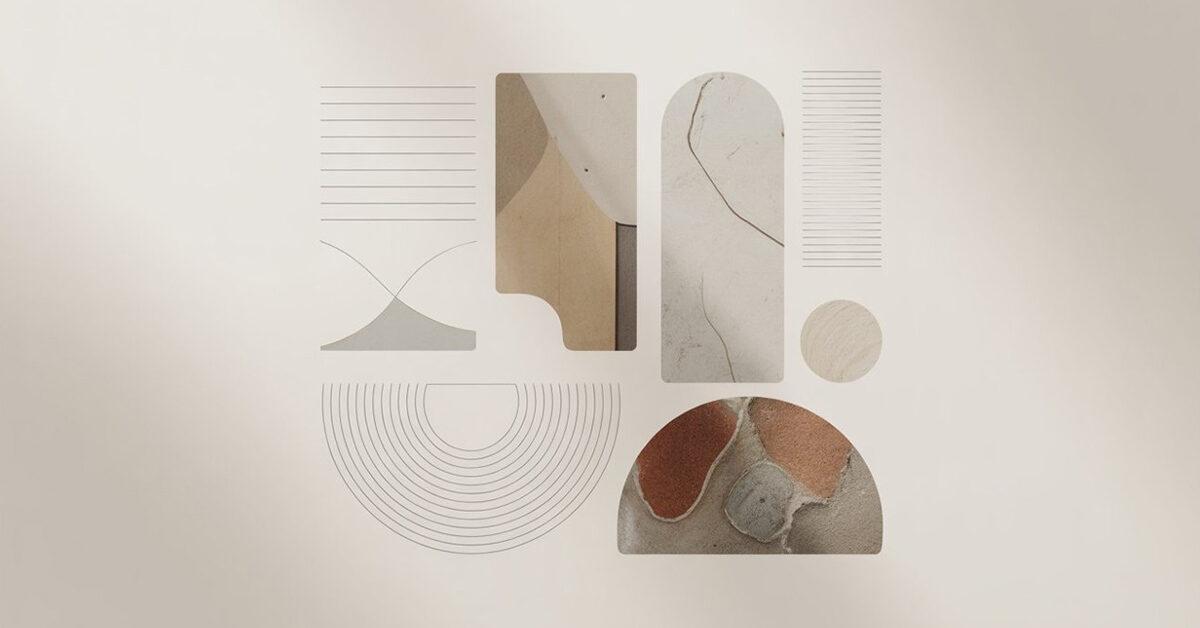
What Is “Imperfect by Design” Offered by the Design Consulting Firm GARDE?
Similarly, in design fields such as interior design, this approach has long been articulated through concepts such as “aesthetic sensibility” and “texture.” Particularly in luxury brands as well as high-end hotels and restaurants, it has been regarded as an essential method for achieving not only functionality and safety, but also comfort and refinement. It is also a fundamental technique for creating spaces with “emotional value”—a core principle underlying the design and consulting services provided by GARDE.
This perspective does not reject AI. On the contrary, by fully leveraging its capabilities and ultimately integrating human insight and craftsmanship, it becomes possible to deliver greater value than ever before.
In spaces that embody emotional value:
①People experience a sense of comfort, pride, and an indescribable charm.
②Activities such as buying, living, dining, or dressing within the space fulfill deeper desires for prosperity, belonging, and recognition.
③Affection, loyalty, and respect toward brands or facilities are cultivated.
These intangible assets are difficult to measure through short-term KPIs. Yet over time, their cumulative effects—greater word-of-mouth advocacy, increased recommendations, trust from decision-makers and local communities, brand-specific purchasing, and higher repeat rates—translate into tangible assets that directly contribute to corporate growth.
Under the principle of “Imperfect by Design,” genuine emotional value emerges from intentional imperfection only when it is supported by meticulously conceived and highly sophisticated design. This is likely one of the few areas in which human creativity and sensibility continue to surpass AI.
GARDE Design Magazine provides project portfolio, trends in architecture, design, and art, and event information.
The project portfolio and the latest information on GARDE are now available on our official website.
>Click here to visit our project portfolio.
>Click here for the latest information on GARDE