admin

“Vacation Home Subscriptions” Unlock New Possibilities for Multi-Location Living and Regional Real Estate

The diversification of work styles, including fully remote and hybrid work, has recently brought “vacation home subscriptions” into the spotlight. Driven by demand from users seeking workation experiences that combine work and leisure, as well as those considering relocation to regional areas, the market for these flat-fee vacation home subscriptions is steadily expanding.

The New Normal of Multi-Location Living, Enabled by Vacation Home Subscriptions

A “Vacation Home Subscription” is a service that provides access to vacation homes across Japan for a fixed monthly or annual fee. Compared to ownership, it reduces the costs of purchasing property and ongoing maintenance, making it easier to choose homes that suit individual lifestyles. It works particularly well with workation, enabling users to work in nature-rich settings and enjoy local culture and cuisine after hours or on weekends. Through repeated short stays, users can experience regional life and everyday routines beyond typical tourism.

The service also allows firsthand exposure to local infrastructure, such as healthcare and education, helping ease concerns and cultural gaps related to relocation. As a result, it is increasingly seen as a practical platform for “trial relocation.”

Breathing New Life into Underutilized Real Estate: The Vacation Home Subscription Model

In rural areas facing population decline and aging, many properties—such as unused vacation homes, residences, recreational facilities, and schools—remain underutilized. These assets often generate only maintenance costs, placing a burden on both owners and local communities. The vacation home subscription model repositions such properties as shared resources. By allowing users to rotate through stays, it creates value that is difficult to achieve through individual ownership, making real estate operations more viable.

Moreover, the steady flow of users helps stimulate local economies, fostering sustainable relationships through activities such as dining at local restaurants and participating in community events. Idle real estate thus has the potential to evolve into “hubs that generate human flow.”

Transforming Lifestyles and Land Use

The expansion of vacation home subscriptions has the potential to transform not only individual lifestyles but also the real estate market and regional development. Future growth may include collaborations with local governments and businesses, as well as services tailored to different lengths of stay. By linking multi-location living, workation, rural relocation, and the revitalization of underutilized real estate, vacation home subscriptions address societal challenges from both living and land-use perspectives, positioning them for growing attention.

GARDE’s real estate services are built on three core pillars: property leasing and sales brokerage, office leasing, and corporate real estate (CRE) consulting.
Furthermore, in collaboration with regional revitalization initiatives, we actively work to utilize idle assets, including rural land use and the renovation of hotels and residential properties.
>GARDE Service Overview
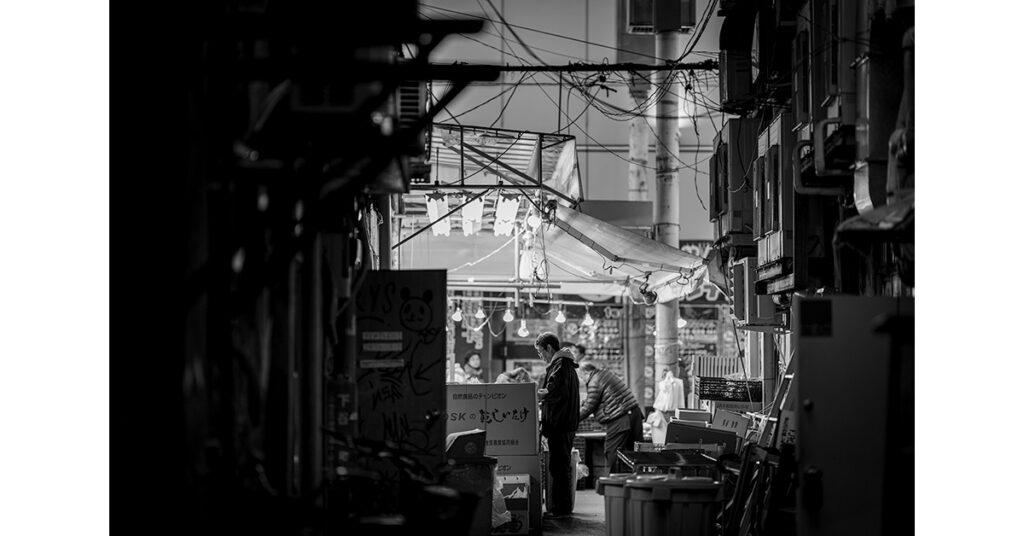
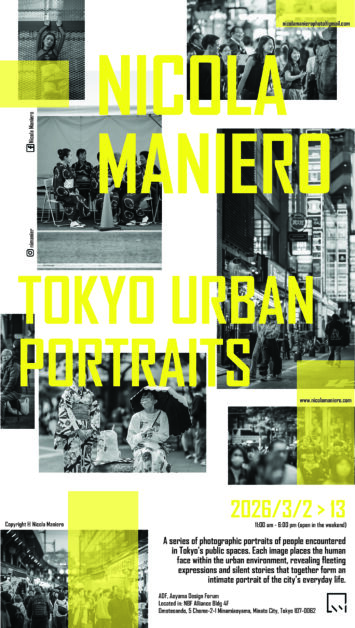
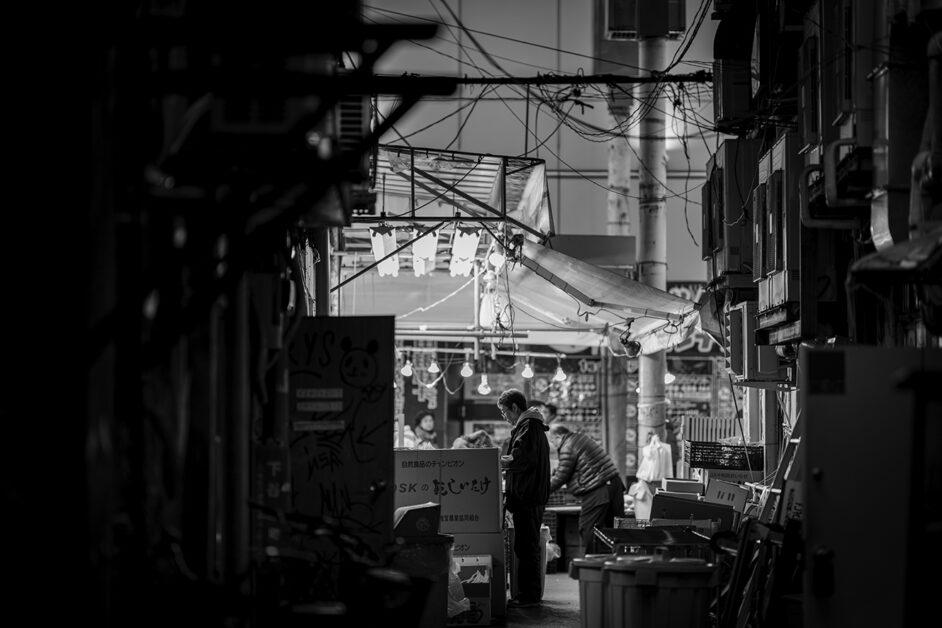
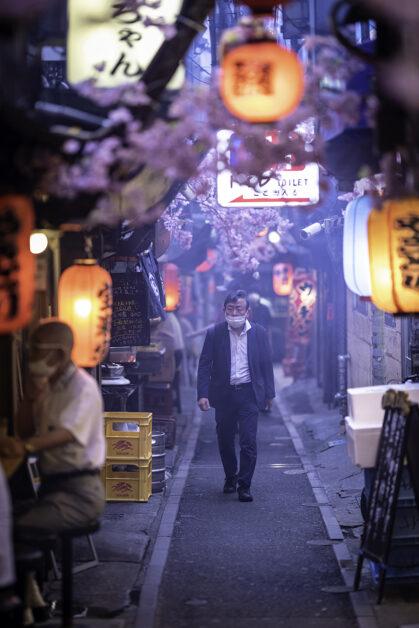
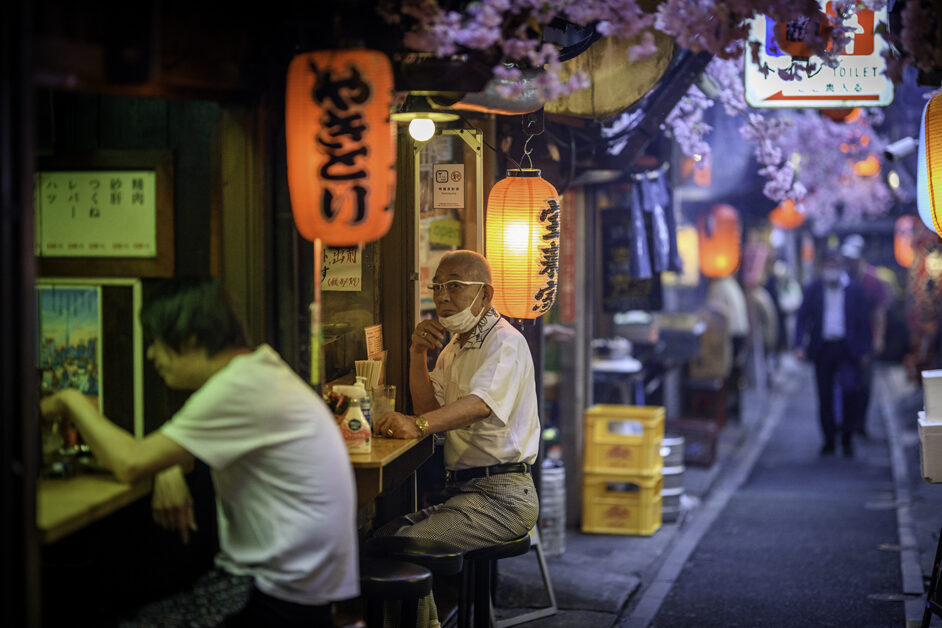
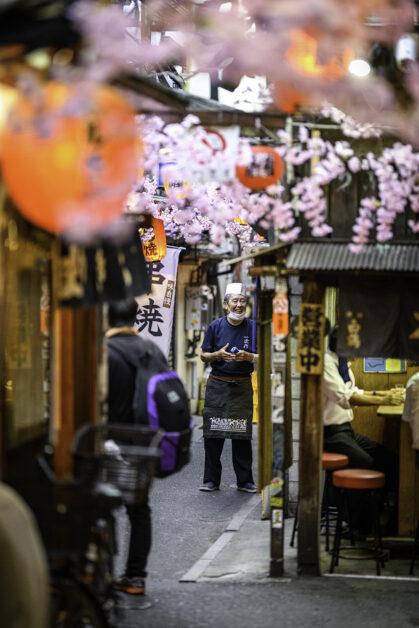
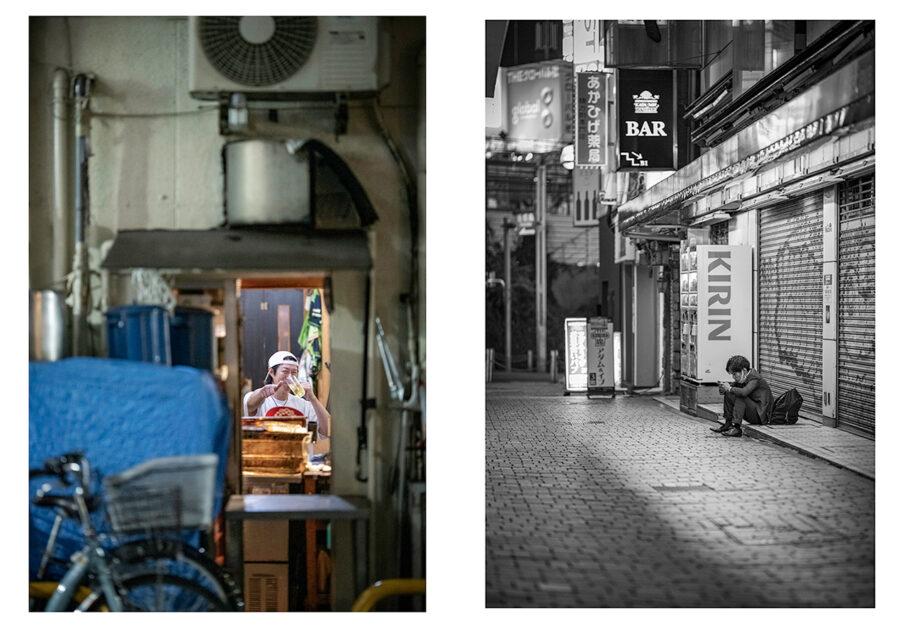
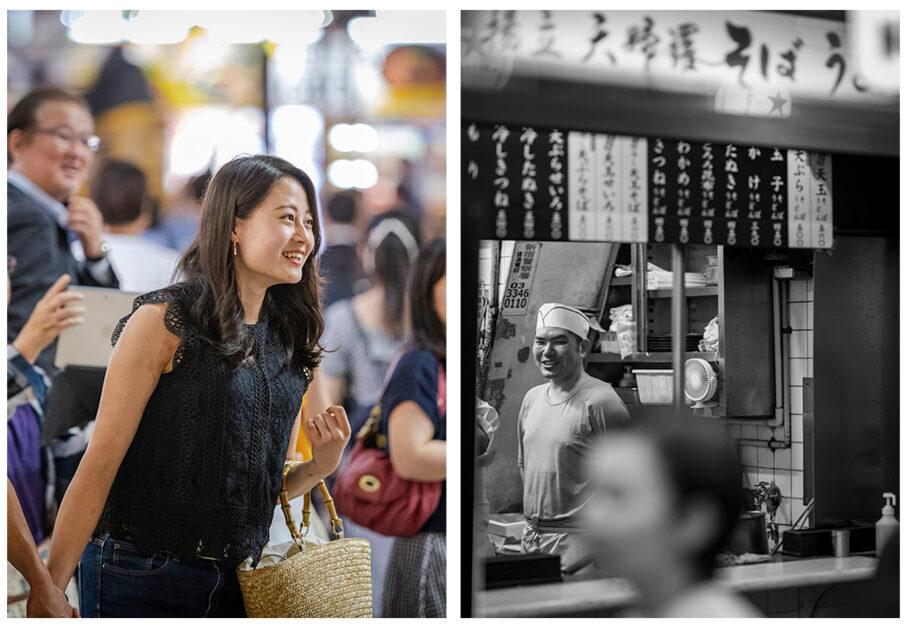
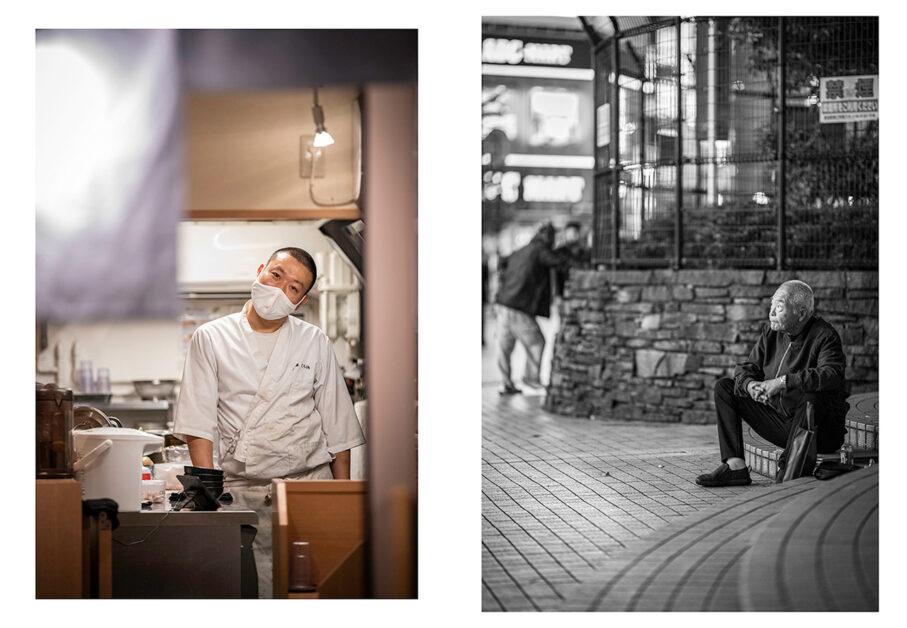
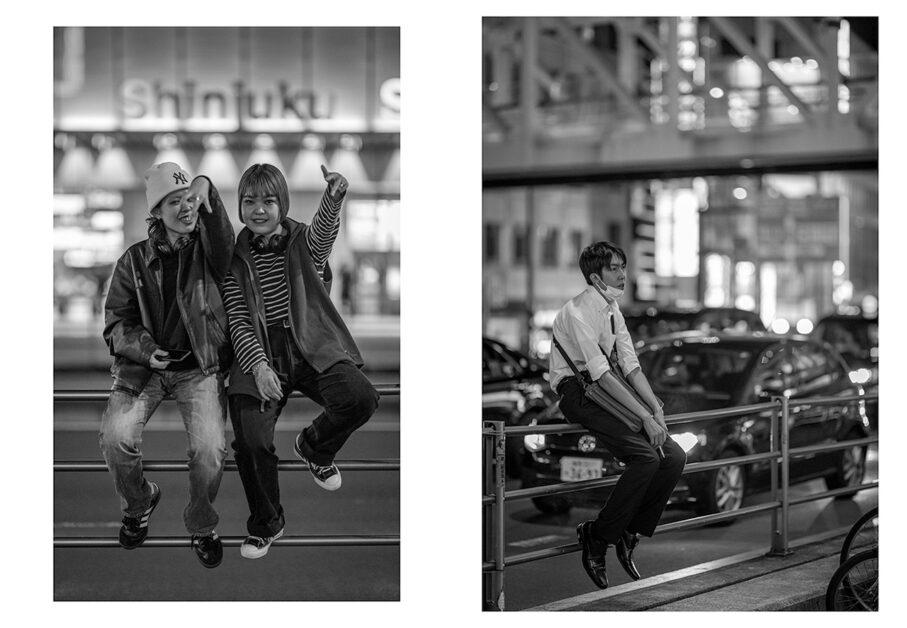
GARDE Gallery Grand Reopening ―Nicola Maniero Solo Exhibition “TOKYO URBAN PORTRAITS”

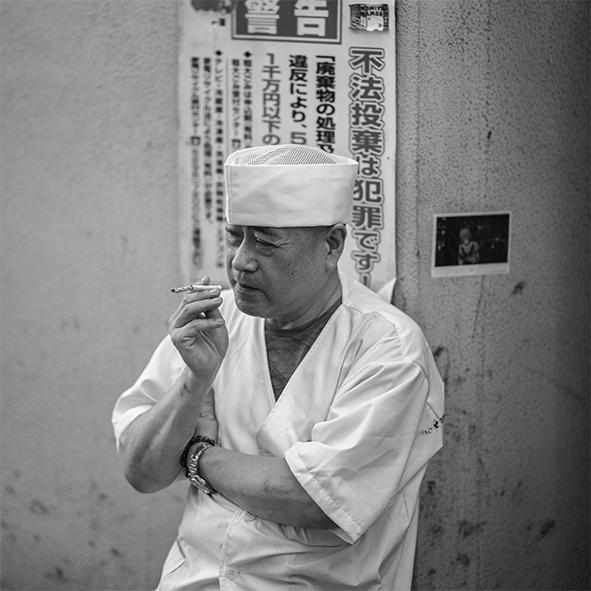
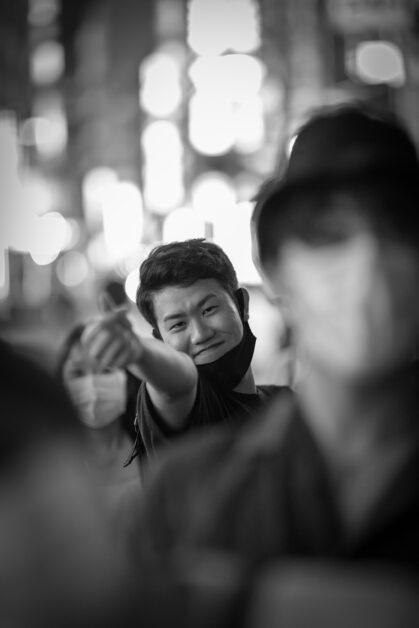
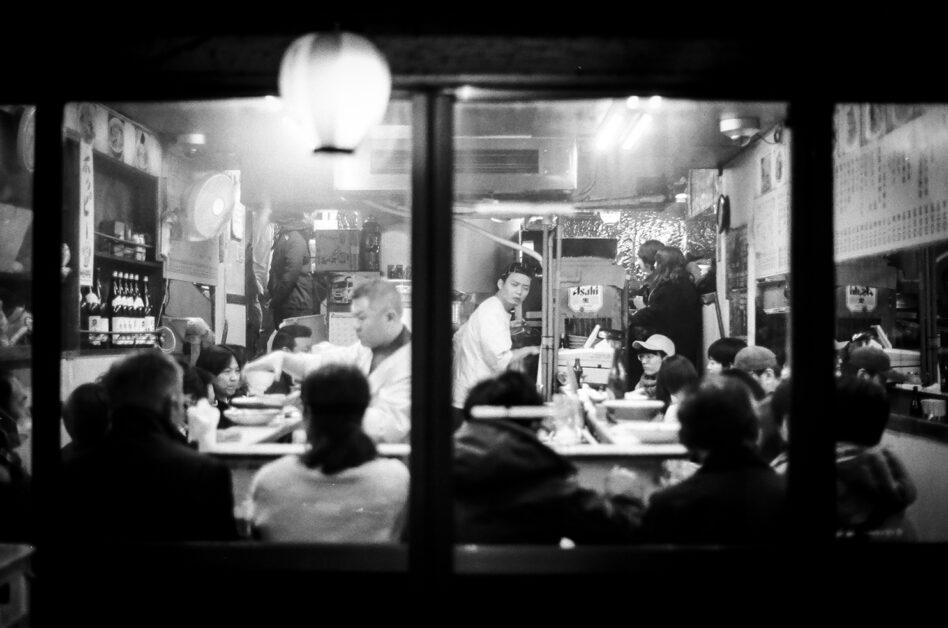
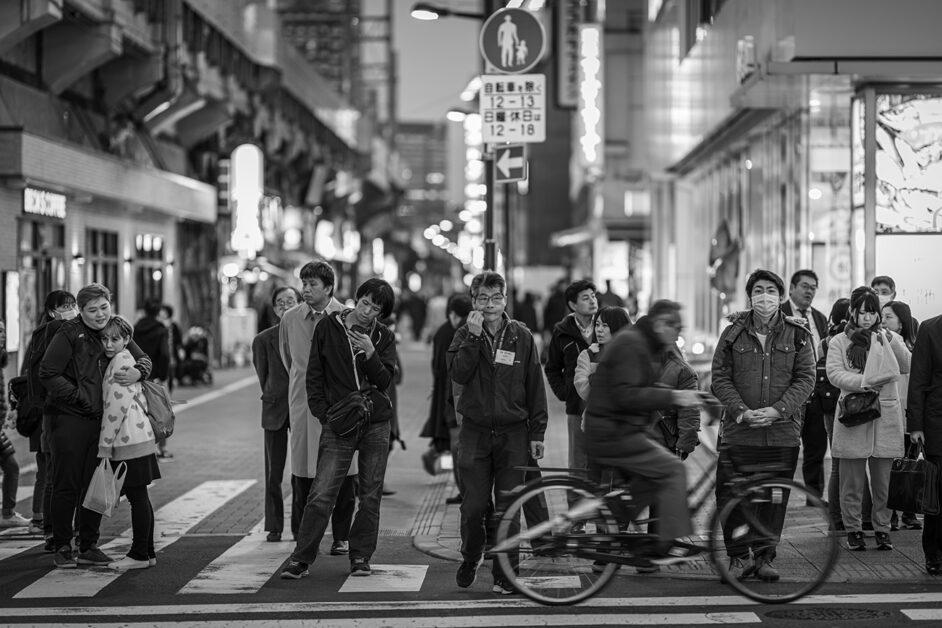
From Monday, March 2 to Friday, March 13, 2026, the newly renovated GARDE Gallery will present a solo exhibition, “TOKYO URBAN PORTRAITS”, by photographer Nicola Maniero. We invite you to experience this exhibition together with the newly reborn space of GARDE Gallery.

Exploring the City through Portraits

Urban Portraits is a photographic exhibition that investigates the contemporary city through the faces of those who inhabit it. Rather than approaching the urban environment through architecture, infrastructure, or recognizable landmarks, the exhibition shifts attention to the human presence embedded within public space. The city is not described directly; it is inferred through expressions, gestures, and fleeting encounters that reveal the psychological and emotional conditions produced by dense metropolitan life.


The portraits presented in the exhibition are the result of chance meetings in streets, stations, and transitional spaces. They capture individuals at moments when attention drifts, defenses lower, or inner states briefly surface. These are not portraits meant to define identity or narrate personal histories. Instead, they function as fragments—partial, unresolved, and open—reflecting the instability and ambiguity that characterize contemporary urban existence.


By excluding explicit contextual information, Urban Portraits resists the traditional documentary impulse to explain or locate. The surrounding city remains mostly invisible, reduced to traces of light, texture, or atmosphere. This deliberate absence shifts the focus toward the face as a site where the pressures of the city accumulate: fatigue, solitude, resilience, vulnerability, and quiet resistance coexist within a single frame. Each image becomes a threshold between interior and exterior, private and public.


The exhibition rejects the spectacular or iconic representation of the city. Instead, it proposes an alternative reading of urban space grounded in proximity and encounter. The portraits emerge from unplanned situations, shaped by the photographer’s physical presence and by the unpredictable dynamics of public space. This method acknowledges the ethical tension inherent in street photography, emphasizing uncertainty rather than control, and presence rather than possession.

Seen collectively, the portraits form a composite image of the city itself. The exhibition does not present a coherent narrative or linear sequence, but a constellation of moments that echo one another through posture, gaze, or emotional tone. Repetition and variation generate rhythm, suggesting a shared condition rather than individual stories. The city appears not as a fixed environment, but as a mutable field of relationships continuously produced by those who pass through it.


Ultimately, the exhibition proposes a slowed-down form of observation. In a context dominated by speed, consumption, and visual overload, Urban Portraits asks viewers to pause and confront the presence of others. It suggests that the city can be understood not through its monuments or skylines, but through the fragile, transient, and deeply human moments that unfold within it every day.


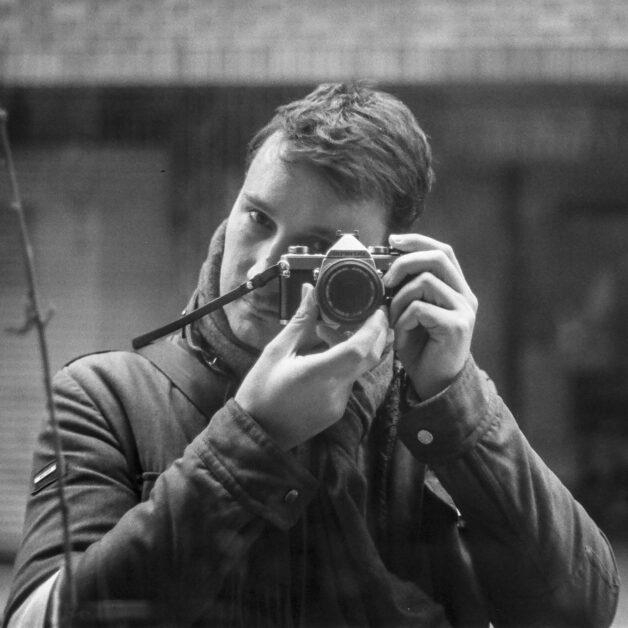
Nicola Maniero


Nicola Maniero is an Italian architect and photographer based in Tokyo. He graduated in Architecture from IUAV University of Venice, where he developed an early interest in the relationship between space, perception, and everyday life. Since 2010, he has been part of Kengo Kuma & Associates, where he is currently Partner, working on cultural, infrastructural, and urban projects across Europe, the Middle East, and Asia.
His architectural practice is characterized by a strong sensitivity to context, materiality, and public space. Over the years, he has been involved in complex international projects that explore architecture as a mediator between landscape, social use, and collective experience. This background has deeply influenced his approach to photography, which he considers an extension of architectural thinking rather than a separate discipline.
Alongside his professional activity as an architect, Maniero has developed an independent photographic research focused on the contemporary city. His work investigates urban life at a human scale, paying particular attention to marginal situations, everyday gestures, and moments that escape planned representation. Rather than depicting architecture as an object, his photography explores how built environments are inhabited, perceived, and emotionally experienced.

Nicola Maniero Solo Exhibition “TOKYO URBAN PORTRAITS”

Dates: 2 to 13 March, 2026
Time: 11:00~18:00
Venue: GARDE Gallery (ALLIANCE Building 4F 5-2-1 Minami-Aoyama Minato-ku, Tokyo)
Closed: Sundays
URL: https://www.art-adf.jp/?sl=en

GARDE Gallery is dedicated to providing a platform for diverse art-related activities, while nurturing and supporting emerging talents who will lead the next generation of creative practice.

GARDE Design Magazine provides project portfolio, trends in architecture, design, and art, and event information.
The project portfolio and the latest information on GARDE are now available on our official website.
>Click here to visit our project portfolio
>Click here for the latest information on GARDE

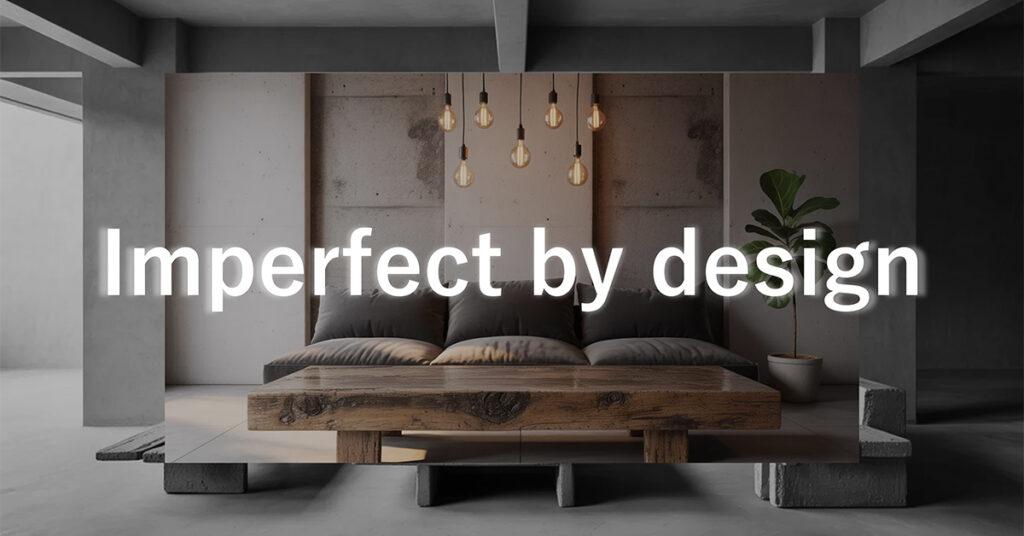
“Imperfect by Design”: A Trend Emerging in the Age of AI

What Does “Imperfect by Design” Mean?

In recent years, it has rapidly emerged as a key concept not only within the design industry but also across broader creative practices. Literally meaning “imperfection through design,” it refers to a philosophy that seeks to evoke empathy, warmth, and trust by intentionally preserving elements such as roughness, noise, and irregularity—an “analog sensibility”—rather than striving for perfection.
It can be seen as design’s counterpart to the retro movement, exemplified by the revival of vintage record players. The renewed popularity of film cameras and Polaroids reflects the same cultural undercurrent and suggests that this shift is more than a passing trend, but rather a lasting phenomenon.

In an era saturated with impeccably polished digital content generated by AI and algorithms, the deliberate incorporation of human-like analog qualities—uneven textures and emotionally resonant “roughness”—may eventually be replicated as AI continues to advance. Even so, such simulations would remain fundamentally different in emotional depth and authenticity from works intentionally shaped by human sensibility.
Therefore, the uniquely human ability to conceive, edit, and refine ideas—cultivated through lived experience and sustained practice—becomes increasingly essential. In a time when AI enables nearly anyone to produce work at a certain technical standard, it is these distinctly human capacities that create truly original value.

What Is “Imperfect by Design” Offered by the Design Consulting Firm GARDE?

Similarly, in design fields such as interior design, this approach has long been articulated through concepts such as “aesthetic sensibility” and “texture.” Particularly in luxury brands as well as high-end hotels and restaurants, it has been regarded as an essential method for achieving not only functionality and safety, but also comfort and refinement. It is also a fundamental technique for creating spaces with “emotional value”—a core principle underlying the design and consulting services provided by GARDE.
This perspective does not reject AI. On the contrary, by fully leveraging its capabilities and ultimately integrating human insight and craftsmanship, it becomes possible to deliver greater value than ever before.

In spaces that embody emotional value:
①People experience a sense of comfort, pride, and an indescribable charm.
②Activities such as buying, living, dining, or dressing within the space fulfill deeper desires for prosperity, belonging, and recognition.
③Affection, loyalty, and respect toward brands or facilities are cultivated.

These intangible assets are difficult to measure through short-term KPIs. Yet over time, their cumulative effects—greater word-of-mouth advocacy, increased recommendations, trust from decision-makers and local communities, brand-specific purchasing, and higher repeat rates—translate into tangible assets that directly contribute to corporate growth.
Under the principle of “Imperfect by Design,” genuine emotional value emerges from intentional imperfection only when it is supported by meticulously conceived and highly sophisticated design. This is likely one of the few areas in which human creativity and sensibility continue to surpass AI.

GARDE Design Magazine provides project portfolio, trends in architecture, design, and art, and event information.
The project portfolio and the latest information on GARDE are now available on our official website.
>Click here to visit our project portfolio.
>Click here for the latest information on GARDE

“Net Positive”: What Role Do Design Consulting Firms Play?

What is Net Positive?

Net Positive is a concept that seeks to create a state in which the positive impacts of a company’s or organization’s activities on society and the environment outweigh their negative effects. Going beyond simply reducing environmental impact (“sustainable”) or offsetting harm (“carbon neutral”), it is defined by the ambition to actively improve society through business activities.

The concept was articulated by figures such as Paul Polman, former CEO of Unilever, and has emerged in recent years as a key business trend—evolving from ESG management and CSV (Creating Shared Value).

Traditional corporate activities have primarily focused on legal compliance, reducing environmental impact, and fulfilling social responsibilities. In contrast, Net Positive calls for proactive value creation:
・Environment: Going beyond CO₂ reduction to actively contribute to natural regeneration
・Society: Going beyond job creation to enhance the quality of life and well-being of communities and individuals
・Economy: Going beyond corporate profits to increase the value of industries and society as a whole

Why Companies Are Now Expected to Be Net Positive

As social challenges such as climate change, resource depletion, and widening inequality intensify, simply “reducing negative impacts” is no longer sufficient in a landscape where many organizations are already pursuing initiatives like the SDGs. In this context, net positive can be understood as a management principle that enables companies to achieve competitiveness, trust, and sustainable growth simultaneously.

By shifting from “harm reduction–focused management” to “management that maximizes positive impact,” and by positioning business activities themselves as drivers of social and environmental progress, organizations can earn long-term societal support and sustain growth.

What are GARDE’s “Emotional Management Assets” as a design consulting firm?

As a premise, business value and assets are strongly influenced by the emotions and feelings embedded in what companies and organizations offer.

In today’s business environment, where corporate value is no longer determined solely by financial metrics or functional advantages, emotional values—such as trust, empathy, pride, and affection—held by customers, communities, and society are believed to influence stock prices, long-term brand strength, and management sustainability.

The spaces, designs, and consulting services provided by GARDE function as powerful branding assets that generate emotional value. Because people spend their lives within various spaces, these environments are not merely physical locations; they profoundly influence human emotions, behaviors, and values.

In spaces imbued with emotional value:
① People experience comfort, pride, and an intangible sense of charm
② A sense of abundance, belonging, and recognition is fulfilled through activities such as purchasing, living, dining, or dressing
③ Affection, trust, and respect toward brands or facilities are cultivated
These intangible assets are difficult to quantify through short-term KPIs. However, over time, they compound into tangible business outcomes—such as increased word-of-mouth and recommendations, trust from decision-makers and local communities, brand-driven purchasing behavior, and higher repeat rates—ultimately contributing to corporate growth.

GARDE’s strength lies in creating value aligned with contemporary needs—beyond mere construction or development—through its integrated business services. Through design consulting, corporate matching, development, art, and real estate, GARDE enables the intentional creation and management of clients’ emotional assets, delivering a net positive emotional experience.

GARDE Design Magazine provides project portfolio, trends in architecture, design, and art, and event information.
The project portfolio and the latest information on GARDE are now available on our official website.
>Click here to visit our project portfolio.
>Click here for the latest information on GARDE

GARDE Art Project: Isana Shinomiya Solo Exhibition “Things That Will One Day Be Scorched and Shine”

Weaving Stories with “Photographs and Words”

From Saturday, February 7 to Saturday, February 21, 2026, GARDE Gallery will host the solo exhibition “Things That Will One Day Be Scorched and Shine” by artist Isana Shinomiya.

This exhibition consists of a 50-minute film, a 140-page photobook, and exhibition panels that combine these elements. Photographs and moving images can convey “emotion” more intuitively than words. This work, Things That Will One Day Be Scorched and Shine, uses music instead of dialogue. It was created with the aim of forming an exhibition space that speaks in a “non-verbal way,” inspired by the perspective of a deaf girl.
Shinomiya, who has long woven narratives through photography and words, depicts memories drifting through light and shadow, and figures who, while carrying their wounds, continue to face forward.

Artist Statement

In 2022, I chose to take a sign language class as part of my general education at university. Among my friends was a senior who was deaf, and I began to feel that I wanted to communicate more deeply. Around that time, I started to want to create a story with a deaf girl as its protagonist, and I had opportunities to listen to the experiences of people directly involved.
While it is different from being unable to hear, I myself live with an illness. I often feel that my own world is cut off from the outside world, that my thoughts do not come across well, and there are many moments when I end up giving up on communication. The friends who reached out to me in those moments helped dismantle those barriers in many different ways. Their presence is reflected in the male character in this work.
In my previous works, I have often focused on the scars of the heart. In this new work, I wanted to go one step further and portray the act of cherishing those scars. And if there is someone who, for whatever reason, cannot step out into the world, I came to want to create a story that might gently help them take that first step.

Isana Shinomiya

Artist Profile

Shinomiya Isana
Photographer. Born and raised in Yokohama, Kanagawa Prefecture. Graduated from the Photography Seminar, Department of Art, Faculty of Expression, Wako University. In 2017, Shinomiya began taking photographs out of a desire to preserve her own sensibility as it changed with growth. From 2020, she started working seriously under the name Isana Shinomiya. Drawn to young girls who emit a sharp brilliance despite their incompleteness, she develops her practice around the theme of girlhood. In 2025, with the scars of the heart as her central concept, she directed her first film work.

“Things That Will One Day Be Scorched and Shine” Overview

Period: February 7–21, 2026
Hours: Weekdays 13:00–20:00; Saturdays & public holidays 11:00–20:00
Opening Reception: February 6, 2026 18:30–21:00
Venue: GARDE Gallery(ALLIANCE Building 4F 5-2-1 Minami-Aoyama Minato-ku, Tokyo)
Closed: Sundays
URL: https://www.art-adf.jp/?sl=en

GARDE Design Magazine provides project portfolio, trends in architecture, design, and art, and event information.
The project portfolio and the latest information on GARDE are now available on our official website.
>Click here to visit our project portfolio
>Click here for the latest information on GARDE

Scroll to Top